About Me

Hello there! This is an e-greeting from Wenchao.
I am a Ph.D. student at the Max Planck Institute for Security and Privacy (MPI-SP) in Germany, where
I am advised by Meeyoung Cha and Muhammad Bilal Zafar.
I received my Master’s degree from the Korea Advanced Institute of Science and Technology (KAIST) and interned at the Institute for Basic Science (IBS) in South Korea. My work has been partially supported by the Microsoft Accelerate Foundation Models Research (AFMR) initiative.
Research Interests
My research lies at the intersection of social psychology and language modeling, with a particular focus on how advances in artificial intelligence (AI) can be responsibly adopted for public benefit and how they may influence long-term societal inequalities.
More concretely, I am interested in how the general public’s decision-making is being mediated by persuasive generative AI systems.
I approach this through three aspects: (i) how people interact with each other through persuasive dialogues; (ii) how people delegate decision-making to agentic AI systems and are persuaded in their own choices; and (iii) whether these AI systems can themselves be persuaded when interacting with other AI systems in ways similar to humans.
Updates
- [Nov. 2025] Paper accepted to AAAI 2026. See you in Singapore!
- [Oct. 2025] Paper accepted to Computers in Human Behavior Reports!
- [Sep. 2025] Paper accepted to EMNLP 2025. See you in Suzhou!
- [Jul. 2025] Paper accepted to ACM GoodIT 2025.
See you in Antwerp! - [Apr. 2025] Our team has been awarded the Microsoft AFMR grant!
Invited Talks
- [20251211] Human Decision-Making Mediated by Persuasive AI Systems @ Peking University, China.
- [20251028] Ethical and Regulatory Challenges in the Era of LLMs @ Nanjing University, China.
- [20241217] Factuality in the Age of LLM Biases @ University of Oslo, Norway.
- [20240909] "Ethics of AI" Can't Be Solved in a Discourse About Ethics and/or Safety @ Elkana Forum: Digital Trust in an Age of Upheaval, Germany.
- [20240320] Intergroup Bias in LLMs Arising from Social Identity Adoption @ Microsoft Research Asia & IBS KAIST Joint Workshop, South Korea.
Selected Publication
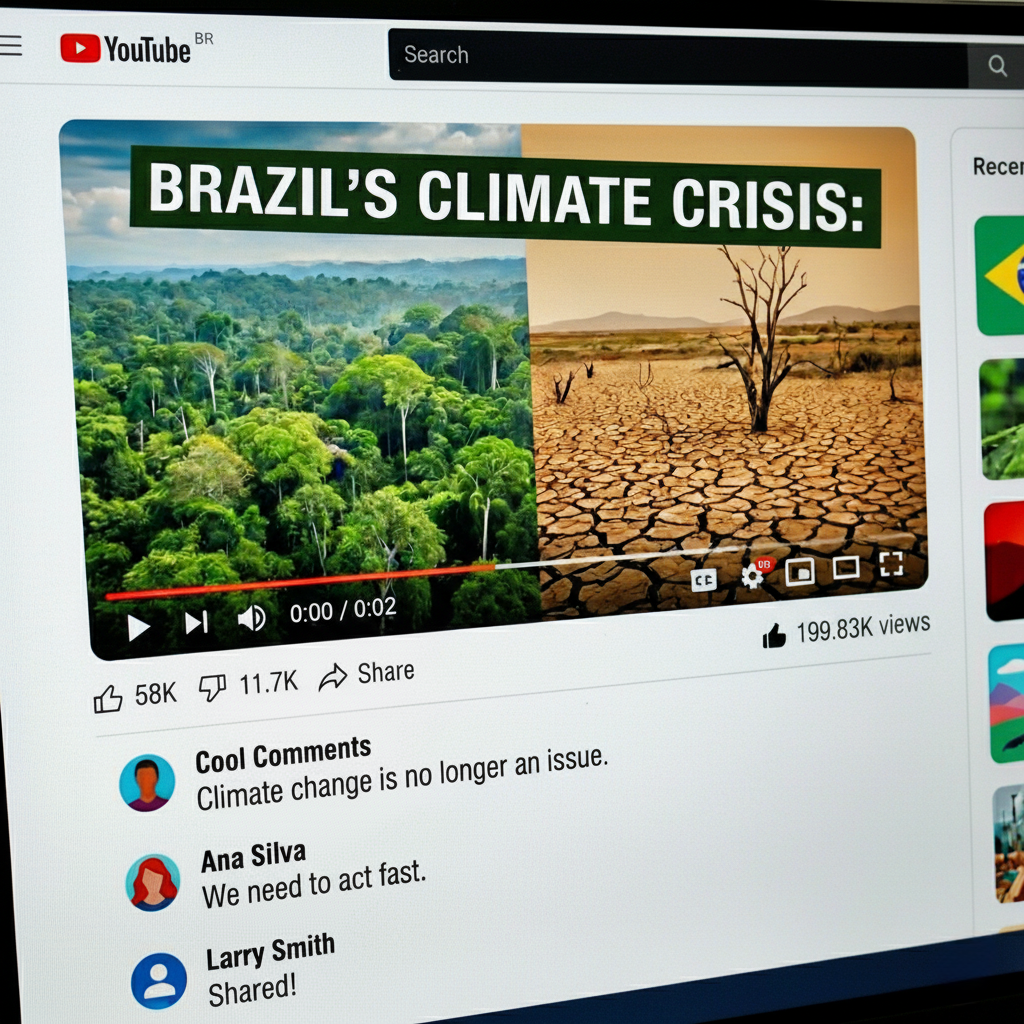
Characterizing AI Manipulation Risks in Brazilian YouTube Climate Discourse
Wenchao Dong, Marcelo Sartori Locatelli, Virgilio Almeida, Meeyoung Cha
AAAI 2026
Paper | Dataset
Key Findings
- In light of COP30 in Belém, Brazil, we built a unique dataset of 227,000 climate‑related YouTube videos in Brazilian Portuguese and analyzed 2.7 million associated comments. Motivated by the advanced linguistic capabilities of large language models (LLMs, such as ChatGPT), we examined the potential for AI‑driven opinion manipulation by analyzing the persuasion strategies used in climate discourse.
- For example, theory of mind (ToM) refers to the ability to attribute mental states—such as beliefs, desires, intentions, and knowledge—to oneself and to others. It is the capacity to understand that others have perspectives and mental states different from one’s own, and is considered a higher‑order cognitive ability. We find early evidence that ToM can be implemented using AI to promote specific climate actions.
- Our research shows that climate conversations can be manipulated by AI. Models can predict the popularity of climate‑related content and identify which psychological traits are successful in more likes and comments from the audience. Altogether, this research suggests that fine‑tuned LLMs can generate persuasive content, including potentially extreme material (e.g., climate denialism) tailored to gain traction on social media.
- The escalating volume of AI‑generated content, combined with the growing difficulty of human detection, intensifies the risk of automated opinion manipulation. Climate discourse is no exception, underscoring the urgent need for governance around synthetic media.
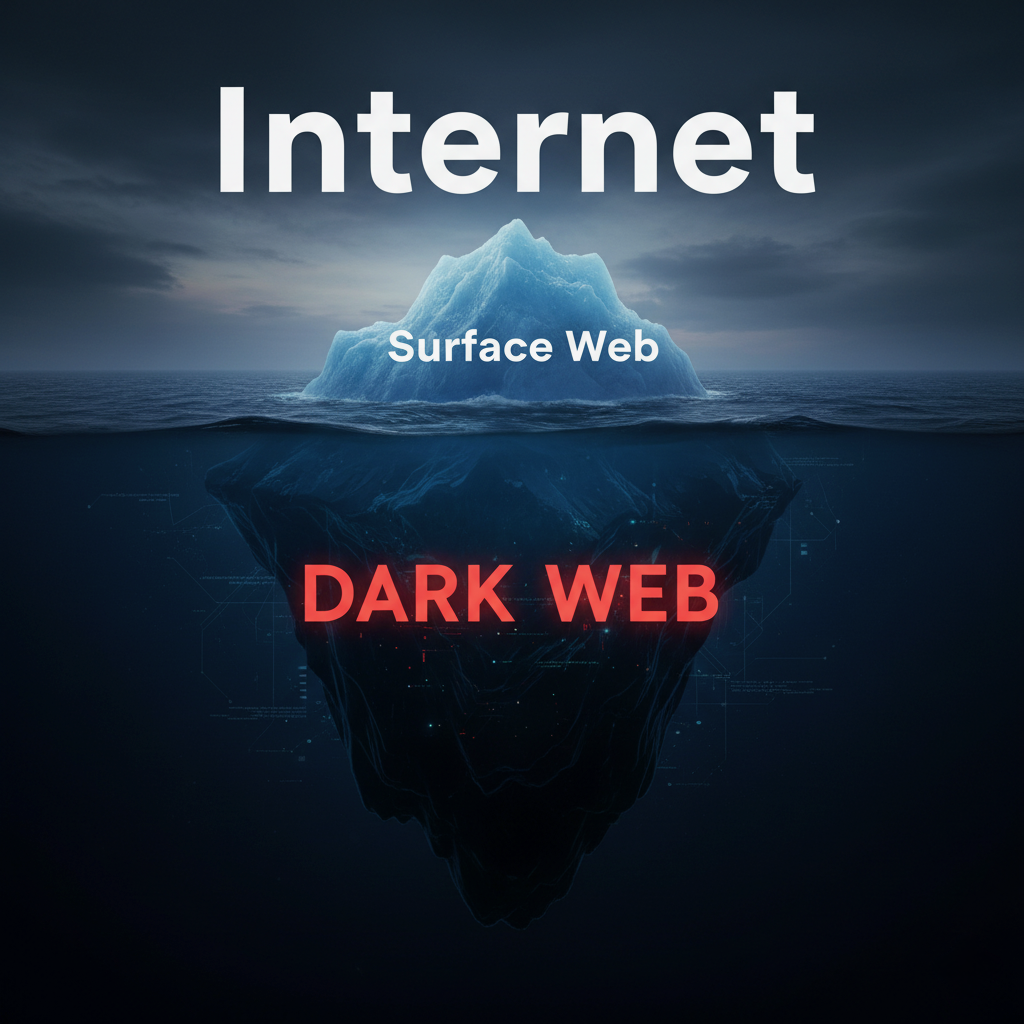
Parallel Communities Across the Surface Web and the Dark Web
Wenchao Dong, Megha Sundriyal, Seongchan Park, Jaehong Kim, Meeyoung Cha, Tanmoy Chakraborty, Wonjae Lee
EMNLP 2025 (Findings) (Best Resource Paper Nomination)
Paper | Dataset
Key Findings
- Humans have an inherent need for community belonging, which is increasingly extending into digital spaces. But how do people communicate differently between the surface web and the dark web, where communication is highly anonymous?
- We compiled a community-matched dataset consisting of over 7 million posts and comments from Reddit and 200,000 posts and comments from Dread, a similar discussion forum on the dark web.
- Drawing on the Sense of Community Theory, we define five aspects that measure levels of community belonging: Community Boundary, Emotional Safety, Personal Investment, Sense of Belonging, and Shared Symbol System.
- Dread (dark web) users consistently exhibit a stronger sense of community belonging, providing more support to one another.
Get In Touch
Thanks for coming this far! I encourage you to drop me a message before you leave :)